French Visa Application Process
France Visa for Americans
A clear, step-by-step guide to preparing a credible French long-stay visa application including financial requirements, insurance, housing, and what commonly causes delays.
The French Visa Process
The process itself is, as one might expect, highly bureaucratic and administrative.
Many nuances necessary to complete a successful application are complicated, involve multiple steps - such as translation and certification - and some are simply “lost in translation” for the first tile Visa applicant.
What determines success is accuracy and completeness, as well as how the application is structured and presented.
A Step-by-Step Path to French Residency
A structured approach to preparing a successful move to France.

01 -Qualification & Feasibility
Define timeline, household structure, and eligibility for residency in France.

02 - Visa Strategy
Determine the correct visa based on income, lifestyle, and long-term plans.

03 - Document Structuring
Prepare financial, insurance, and housing documentation into a coherent file.

04 - Application Submission
Submit through France-Visas and consulate review.

05 - Arrival & Residency Setup
Validate residency and establish your position in France.
The steps themselves are straightforward.
What matters is how well everything fits together.
Most applications are delayed not because of eligibility, but because documentation is incomplete or poorly structured.

01 - Qualification & Feasibility
Define the structure of your move:
Timeline
Household (spouse, dependents)
Expected time in France vs the U.S.
Financial profile
This is where many applicants lose time by pursuing the wrong approach or underestimating requirements.

02 - Visa Strategy
Select the appropriate long-stay visa based on your situation.
For many Americans, this includes:
Retirement or independent income
Part-time residence
Extended stays without French employment
The visa category must align with how you actually plan to live in France, not just how you describe it.
🇫🇷 French Visa Options - At a Glance
Visa Types (Duration) and Residency Categories (● → Purpose of Stay) are listed below:
1. Short-Stay Visa (Type C)
Visa de court séjour
→ Travel, visits, business trips (up to 90 days)
2. Long-Stay Visa (Type D)
Visa de long séjour (VLS-TS)
→ Living in France (90+ days)
Choose one category:
❑ Visitor (Visiteur)
→ Live in France without working (retirement, second home, lifestyle stay)
❑ Employee (Salarié)
→ Work for a French employer / company
❑ Self-Employed (Profession libérale)
→ Freelance or run your own business in France
Learn more about the requirements for this particular type of visa
❑ Talent (Passeport Talent)
→ Highly skilled professionals, executives, founders
❑ Student (Étudiant)
→ Study in France
❑ Family / Personal Ties (Vie privée et familiale)
→ Residency / live in France based on family or personal connection

03 - Document Structuring
This is the most important stage.
French consulates do not evaluate documents individually.
They evaluate whether the entire application supports a credible residency plan.
Attention to detail at this stage helps avoid delays, inconsistencies, or additional document requests.
This comes down to four core areas:
Financial Documentation
Applicants must demonstrate sufficient financial means to support themselves while living in France.
French consulates typically review:
Recent bank statements
Retirement income
Investment income
Other sources of stable financial resources
Consulates evaluate consistency and credibility over time, not just a single account balance.
Applications often run into issues when:
Funds appear suddenly without explanation
Income is irregular or difficult to verify
Documentation does not clearly support the stated plan
Health Insurance
Private health insurance is required for most long-stay visa applications.
Policies generally must:
Provide coverage in France and the Schengen area
Include hospitalization and medical care
Remain valid for the duration of the stay
Not all international policies meet visa requirements.
Coverage must align clearly with the length and nature of your stay.
Housing
Applicants must demonstrate a credible plan for living in France.
Examples include:
Lease agreement
Property ownership
Long-term accommodation arrangements
Short-term bookings or unclear plans may weaken an application if they do not support the overall timeline.
Residency Intent
Applicants are often asked to explain:
Why they plan to live in France
How they will support themselves
Where they plan to reside
This is not a formality.
It provides context for the entire application and helps establish credibility.
Once the strategy and documentation are aligned, the visa application is prepared.

04 - Application Submission
Once the application is structured, submission includes:
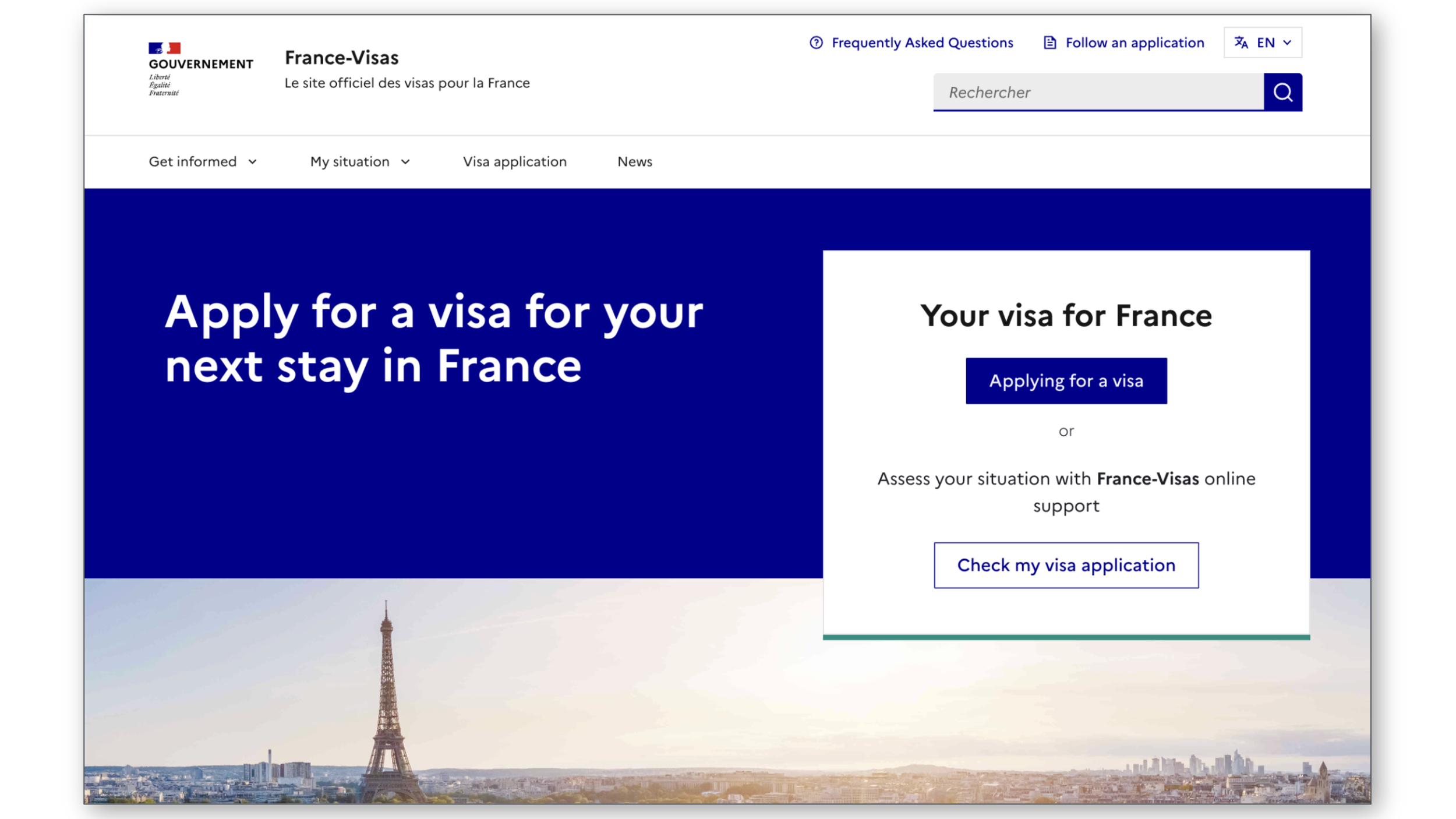
France-Visas application
Appointment confirmation
Document preparation and organization
Consulate or TLS appointment
At this stage, inconsistencies or missing elements can lead to delays or additional requests.

05 - Arrival & Residency Setup
Receiving the visa is only the beginning.
Preparation for arrival typically includes:
• Confirming housing arrangements
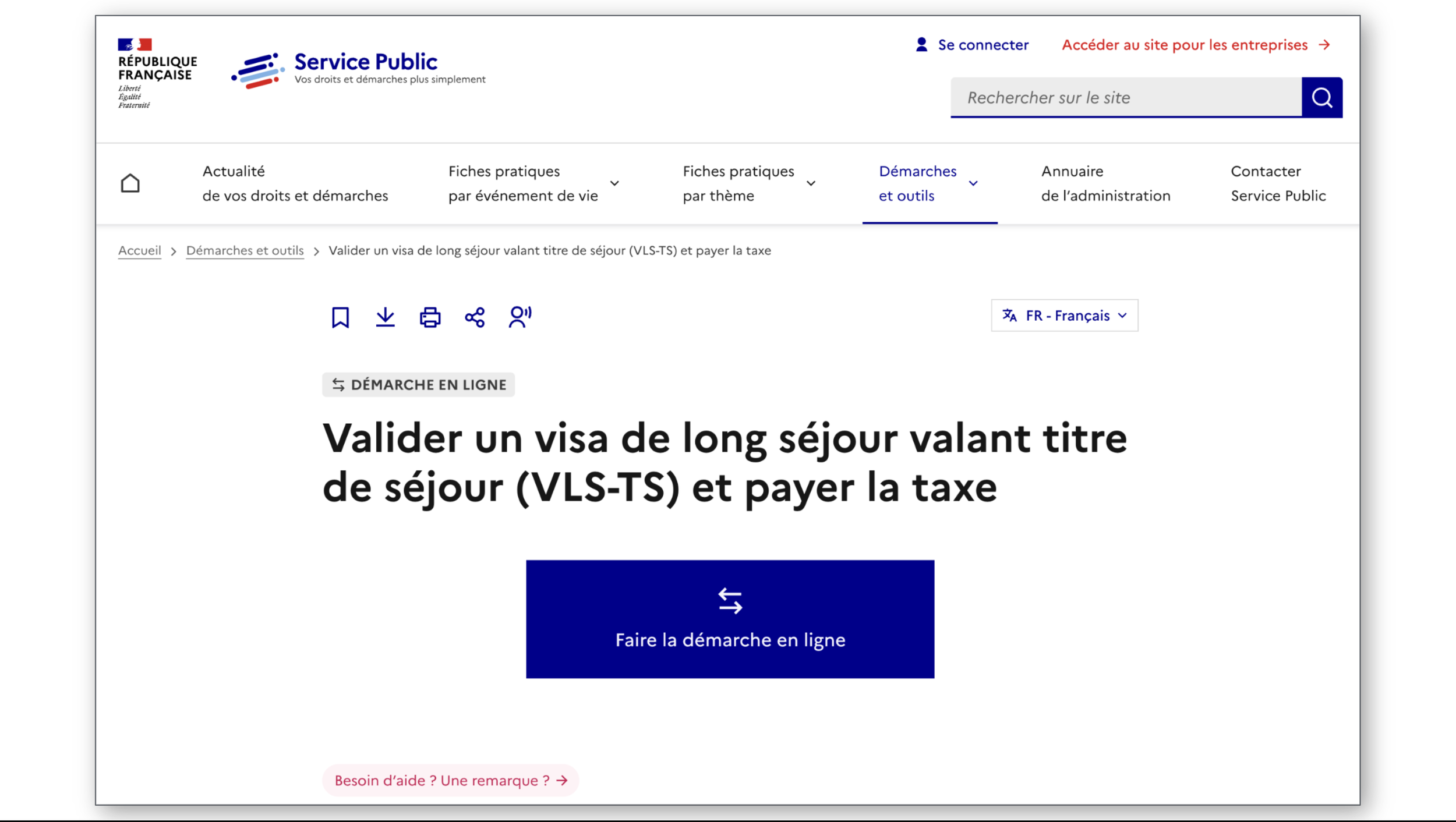
• Validating residency status upon arrival
• Maintaining compliant health insurance
• Completing administrative steps required for ongoing residency
A smooth arrival depends on preparation well before the move.
Core Application Checklist
Most long-stay visa applications include:
Identity & Application
Valid passport
France-Visas application
Appointment confirmation
Financial Documentation
Bank statements
Retirement income
Investment income
Health Insurance
Medical coverage
Hospitalization
Coverage for the full stay
Housing
Lease, property, or long-term arrangement
Civil Status Documents (if applicable)
Birth certificate
Marriage certificate
Family documentation
Residency Statement
Reason for living in France
Financial support plan
Intended place of residence
The checklist itself is straightforward.
Note that each type of Long Stay Visa has its own specific requirements.
The strength of the application depends on the accuracy and completeness of each required item, and how clearly everything aligns.
Timeline and Costs
Typical Timeline
Most applications follow this sequence:
Preparing documentation
Submitting via France-Visas
Attending a consulate appointment
Visa issuance
Validating residency after arrival
Preparation and processing typically take several months.
Typical Required Costs
€99 — French government long-stay visa fee
~€220 — visa processing center fee
Additional costs (insurance, translations, courier services) vary.
Where Applications Break Down
Most applications do not fail because the goal is unrealistic.
They fail because:
Financial documentation is inconsistent
Insurance does not meet requirements
Housing plans are unclear or insufficient
Documents are incomplete or improperly prepared
The application lacks a coherent narrative
These issues are usually avoidable—but difficult to correct after submission.
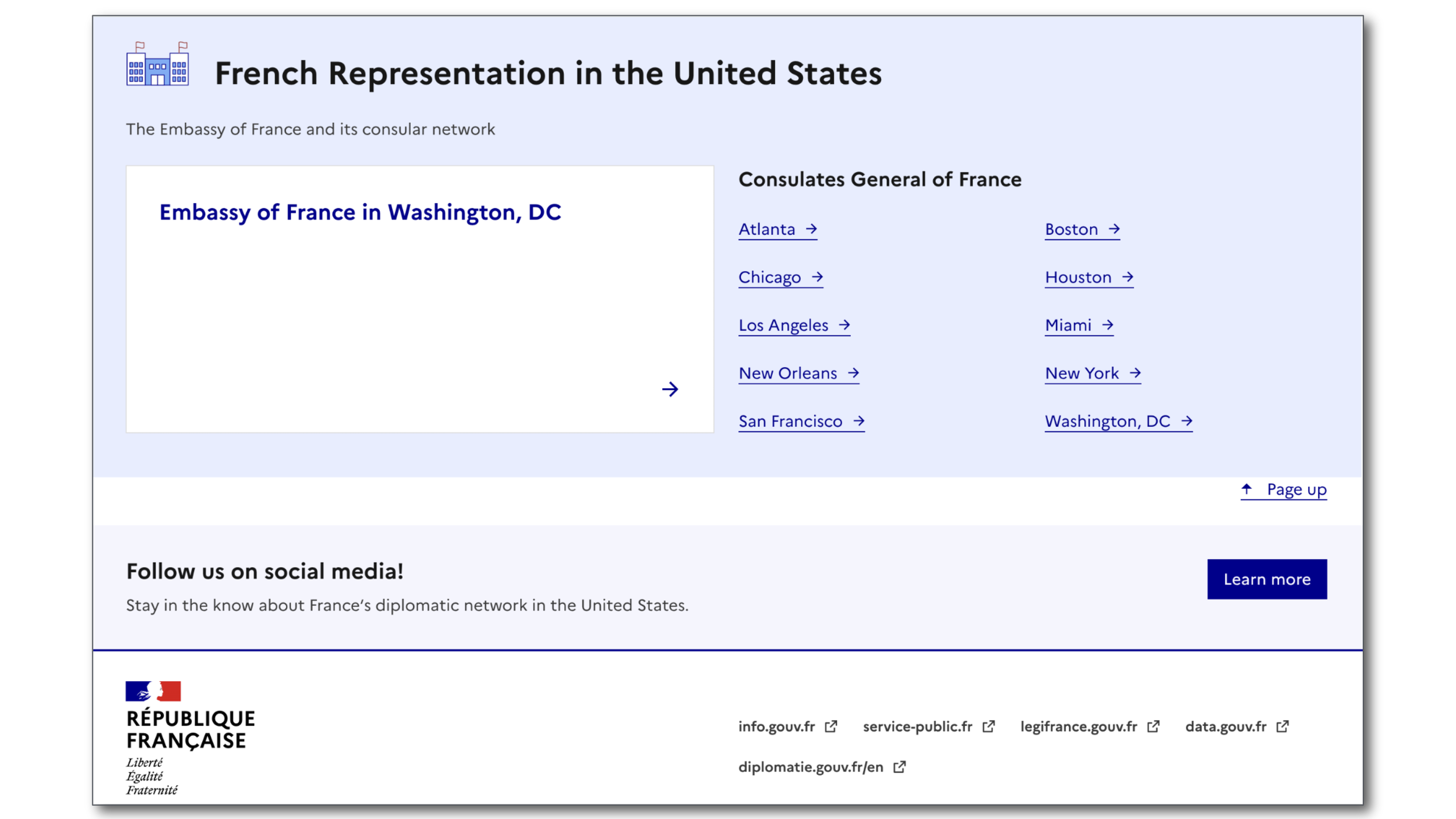
Official Resources
Applicants may also consult:
These websites provide official Visa information by the French government.
Understanding how to structure a complete application is where most applicants need clarity.

Everyday life in Bordeaux — a city where many Americans eventually establish residency after completing the long-stay visa process.
What to Do Next
Some applicants manage the process independently.
Others prefer to define a clear strategy before beginning.