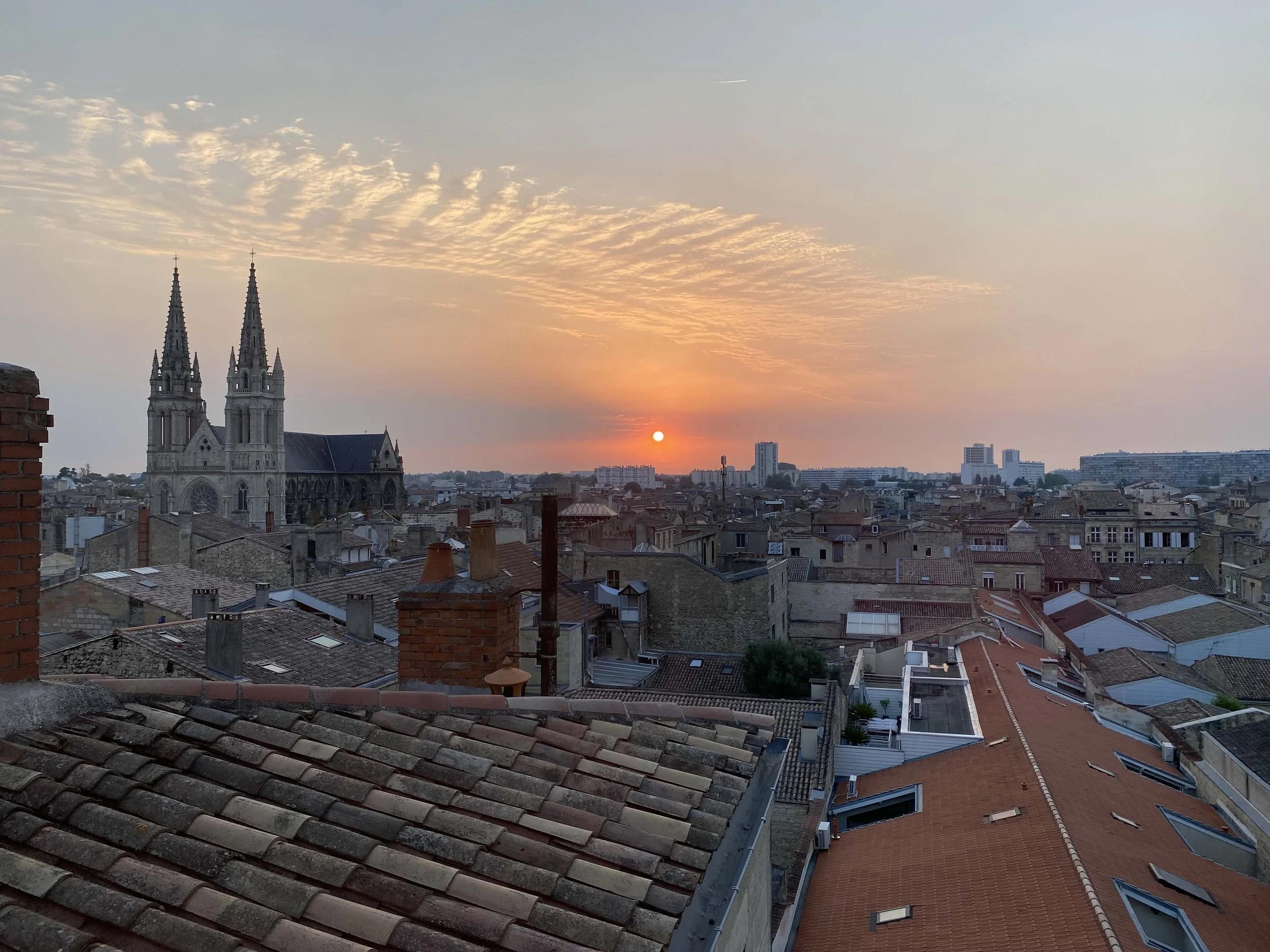
Make France Your Next Move.
Clear visa and residency guidance for Americans, with specialized support for those who want to establish an independent profession and earn income in France.
From visa strategy and document preparation to a complete Entrepreneur / Profession Libérale dossier.
Your Path to French Residency

01 - Plan All the Elements of Your Move

02 - Choose the Right Visa or Residency Status

03 - Build a Complete, Consistent Application

04 - Submit, Respond and Follow Through

05 -Arrange the Practical Details of Your Move and Life in France
Moving to France involves a series of connected decisions and administrative requirements. FranceNext helps you understand what is required, prepare properly and see the process through.
Ways FranceNext Can Help
Visa and Residency Guidance
Understand your options, choose the appropriate residency pathway and prepare a clear, complete application.
For Americans planning to live in France, including retirees, spouses, independent professionals and others seeking long-term residency.
Entrepreneur / Profession Libérale
Turn your experience, expertise or serious passion into a viable independent profession, and a pathway to living and earning income in France.
FranceNext helps you define the activity, prove its financial viability and develop the complete dossier required for the Entrepreneur / Profession Libérale pathway.
Moving and Getting Set Up in France
Get practical help with the many things that come with moving to and establishing your life in France.
Banking, housing, healthcare and Carte Vitale, driver's licenses and cars, insurance, moving and shipping, phones and utilities, business registration, residency renewals and other French administrative requirements.
Whether you need help with one specific issue or support across your move, FranceNext can help you understand what is required, what to do next and when a specialist is needed.
Need Help With Something Specific?
Banking in France · Housing & Renting · Healthcare & Carte Vitale · Driver's License & Cars · Moving & Shipping · Insurance · Phones & Utilities · Business Registration · Residency Renewals · French Administration · French Language Support
American Perspective. Practical Understanding of France.
You work directly with Peter Sapienza, an American and French citizen who has built businesses internationally, studied at HEC Paris and navigated the French system firsthand.
FranceNext combines an understanding of the American perspective with practical knowledge of how French administrative requirements must be approached and presented.
Start With Your Situation
A 20-minute introductory call is an opportunity to discuss your plans, identify the likely next steps and determine how FranceNext can help.